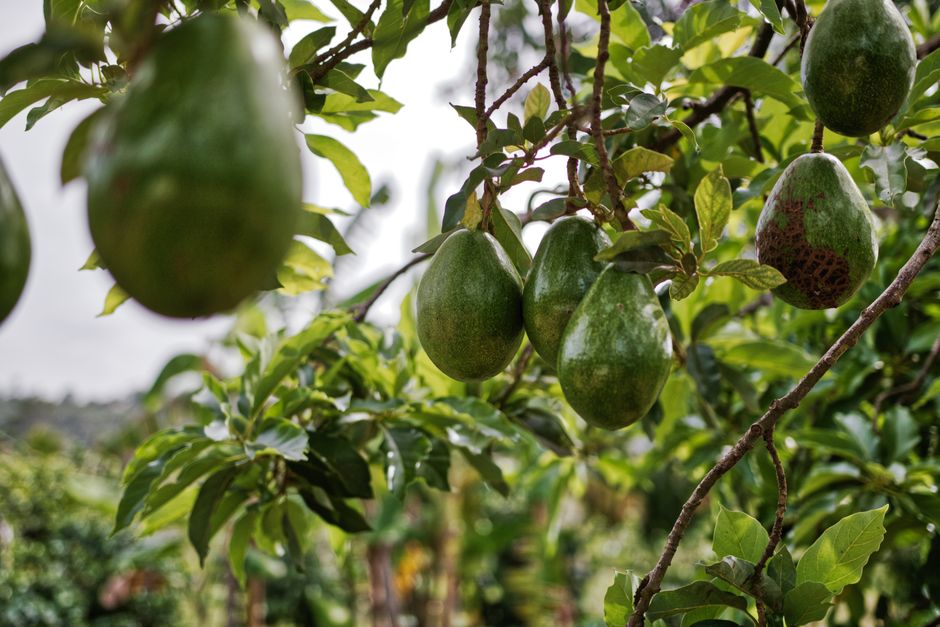
A team of American researchers has been literally trudging through Nicaragua’s rainforest and came back with something significant: a dense concentration of wild avocado species that scientists are now calling a ‘hotbed’ of genetic diversity. The find is not a single new variety – it is a cluster of species carrying DNA traces from an ancient migration that moved the fruit from South America to Central America roughly 5,000 years ago.
Here is what the discovery means for avocado genetics, crop resilience, and what may eventually land on grocery shelves.
How a 5,000-Year-Old Migration Showed Up in Nicaragua’s Wild Avocados
The genetic trail embedded in these wild species points back thousands of years to the original human-driven transport of avocados northward – a journey of hundreds of miles that left a detectable imprint in the fruit’s DNA. That kind of deep genetic record is exactly what plant scientists look for when trying to understand how a crop adapted to different climates, soils, and disease pressures over millennia. Nicaragua’s rainforest, it turns out, preserved a slice of that record in unusually concentrated form.
Why Wild Species Diversity Matters for the Avocados Being Grown Right Now
Commercial avocado farming runs heavily on a narrow band of cultivated varieties – the Hass avocado alone accounts for the vast majority of global production. That uniformity creates a vulnerability: one fungal outbreak, one shifting climate pattern, one new pest, and entire harvests can collapse. Wild relatives of domesticated crops carry traits – drought tolerance, disease resistance, different nutrient profiles – that breeders can potentially draw on to harden existing varieties or develop new ones. These newly catalogued Nicaraguan species add to that genetic library in a meaningful way.
What Nicaragua’s Avocado Hotbed Means for Future Crop Breeding Programs
The researchers have flagged that some of these wild species could directly assist in breeding efforts aimed at climate resilience and expanded consumer options. That second part – more superfood choices – is not just a marketing phrase here. Different wild avocado species carry different fatty acid compositions, textures, and growth characteristics, which means the downstream possibilities include varieties better suited to different growing regions, different harvest windows, or different culinary uses. Breeding programs that can access this Nicaraguan genetic material are starting from a richer baseline than they had before this field work was completed.
The team’s work in a Central American rainforest traced a 5,000-year-old domestication story and simultaneously handed modern agriculture a set of tools it did not previously have catalogued – and the avocados sitting in that forest had been holding onto both pieces of information the whole time.
Source: Read original