The reservation was for 10:30 p.m. Not 6:30, not 8:00 – 10:30, the kind of time slot that turns a three-hour dinner into a race for the last subway home. That was the reality of snagging a table at Eleven Madison Park, the three-Michelin-star institution on the north side of Madison Square Park that New Yorkers have been talking about for years. The night ended at roughly 1:15 a.m., jar of house-made granola in hand, sprinting for a train.
For anyone who has followed Eleven Madison Park’s trajectory, the timing of this visit mattered. The restaurant had spent a stretch operating on a fully plant-based menu – a decision that sent some longtime admirers searching elsewhere. A few months before this dinner, meat and seafood returned. Eight courses, three of them animal protein. The reservation was locked in immediately.
Walking in, the first thing to register was the dress code situation – or rather, the absence of one. Guests in casual t-shirts sat a few tables over. For a three-Michelin-star room, that is genuinely unusual. The stated philosophy is straightforward: the goal is enjoyment, not pageantry.
From the Onion Butter to the Kitchen Floor
The meal opened with a savory herb broth – fragrant, deeply salted, somewhere in the flavor territory of tom yum without the visual cues. Good bread arrived alongside it: a croissant-roll hybrid, shatteringly flaky, served with an onion butter packed with enough allium intensity to clear sinuses. Jam in the center carried toasted sunflower seeds and what tasted like confit garlic. It was one of the better bread courses of any tasting menu, anywhere.
The first proper course – a radish salad with pickled and raw varieties, plus a small dumpling wrapped in onion with caramel inside – landed as competent but oversalted. The freshness of the radish was real, but the seasoning overwhelmed it. Nothing that warranted the price of admission on its own.
Scallop came next: wrapped in radish and kohlrabi, sitting in a roasted scallop broth with hazelnut running through it. The scallop itself was cooked to a tenderness that made the crispy vegetable shell surrounding it feel almost theatrical by contrast. Citrus and nuttiness in the broth, umami on the finish. This was where the kitchen started showing what it could actually do.
Between courses, there was a kitchen tour – a detail that doesn’t happen at most restaurants of this caliber. The cooks demonstrated a French-Canadian maple candy tradition: fresh maple syrup poured directly onto snow, pulled into a soft, sticky candy as it sets. It’s a simple thing, but in context it was one of the more memorable two minutes of the evening.
Back at the table, a course built around tarbouri – a tiny seed sometimes called land caviar for its resemblance to the real thing – arrived over cauliflower couscous, with soft pita dusted in za’atar and a cauliflower-sumac cream underneath. The pita was extraordinarily airy. The cream was rich and loaded with umami. This was the most satisfying plant-based course of the night, the kind of dish that makes a strong argument for the post-meat-return menu being genuinely balanced rather than tokenized.
The Duck That Made the Whole Bill Feel Reasonable
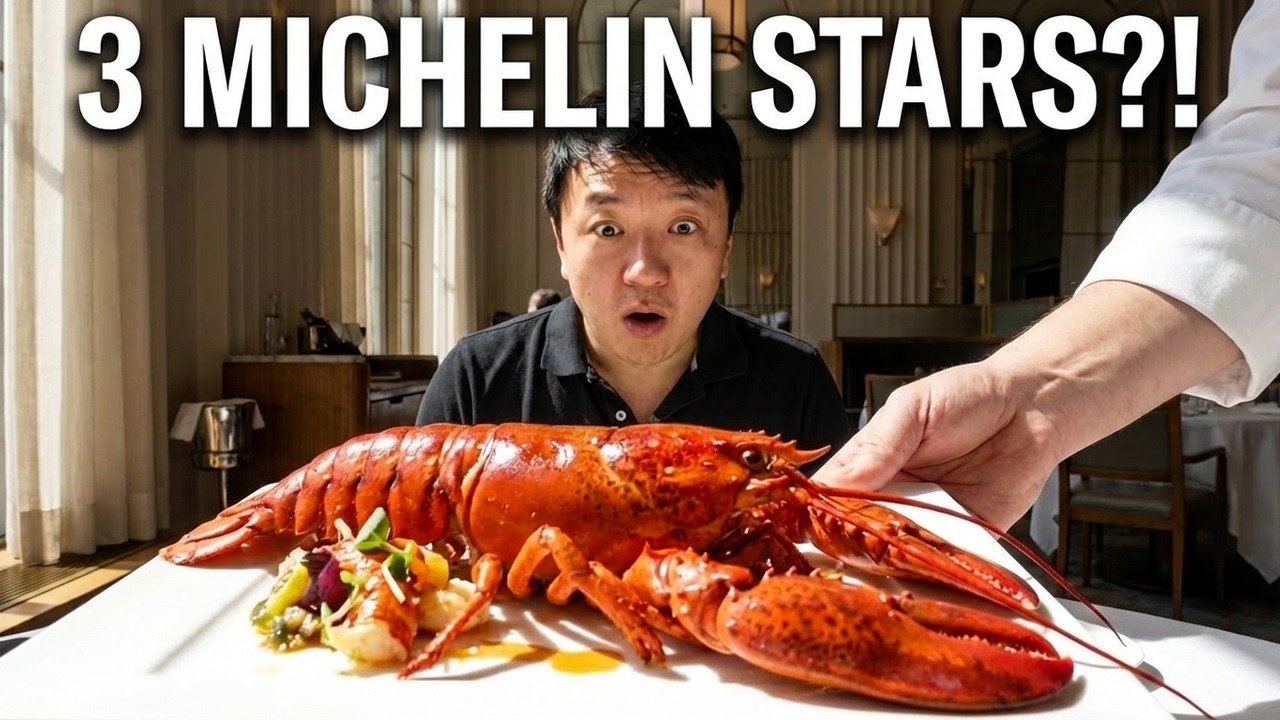
Poached lobster arrived over lettuce purée with pears and a lobster bisque poured tableside. The pairing of pear and lobster – both naturally sweet – worked better than it sounds on paper. The bisque was concentrated and direct. The cabbage underneath gave the whole thing some crunch. Of the eight courses, this one sat at the top for most of the meal.
Then came potatoes. Yukon Gold, potato purée, potato gnocchi, shaved truffle, smoked potato consommé. The dish sounded like a single-ingredient exercise in restraint and tasted like nothing of the sort. Different textures across every component, earthiness from the truffle, smoke from the broth, richness from the purée. For a plate that was essentially one ingredient prepared four ways, it was one of the more technically impressive things on the table all night.
The final savory course was a 14-day-aged honey lavender duck: a thin, crackling skin over a visible layer of fat over deeply juicy meat, finished with peppercorn, a glossy duck jus laced with lavender and honey, and a beet-and-mustard-seed salad on the side. The skin had the character of something cooked over an open fire. The peppercorn left a faint numbing edge. The beet salad, which might have seemed like an afterthought, cut through the richness at exactly the right moment. This was the dish the reservation was for.
Dessert came inside a hollowed mandarin – shaved ice, kumquat, mandarin, multiple other citrus varieties, vanilla cream, mochi, a spritz of jasmine water applied tableside, and citrus peel threaded through for bitterness. A small spoon was provided. The instructions were essentially: dig in. The result was genuinely surprising – layered, cold, fragrant, texturally all over the place in the best way. A sesame pretzel tea course followed as a palate cleanser, tasting faintly of a sesame-inflected Reese’s Pieces.
On the way out, every guest received a printed menu from the evening and a jar of house granola tucked into a cloth pouch. As parting gifts go, it was more considered than most.
The Granola Jar at 1 a.m. on a Near-Empty Platform
The jar sat on the seat beside its owner as the subway car rattled downtown – a practical, cheerful object that had no business being handed out at a $400 dinner, which is probably exactly why it worked.
Back on Madison Avenue at 10:30 on a weeknight, with trains running maybe every fifteen minutes, the decision to eat this late had felt abstract. By 1:15, with a cloth pouch in one hand and a phone showing four minutes until the next train, it felt very concrete. The duck had been worth the sprint. The lobster bisque had been worth the sprint. Whether the radish salad had been worth any part of the $400 check was a question that resolved itself somewhere around the fourth bite of shaved ice – and the answer, at that point, was yes.
 Wake up to Only Happy News!