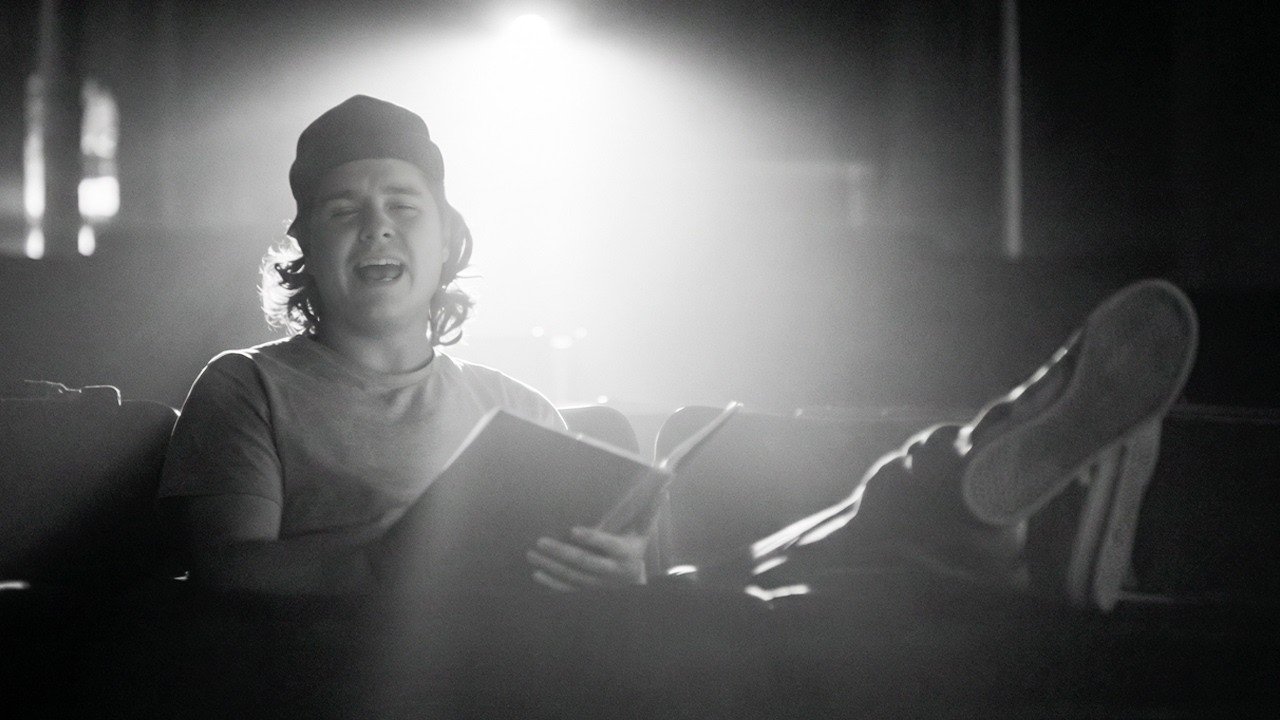
A seven-year-old boy stands at the edge of a big world, already convinced he and his friends are bigger than it. That opening image, drawn from Lukas Graham’s own childhood memory, is the reason ‘7 Years’ reached across language barriers and generational lines to become one of the most quietly devastating songs of its era. It does not perform emotion. It simply measures time, and lets the listener do the math on their own life.
A song built like a life, seven years at a time
The structure of ‘7 Years’ is its argument. The song moves in age-stamped chapters, each one a compressed portrait: seven years old and learning that loneliness is a real threat, eleven years old already reaching for things that could numb or accelerate, twenty years old locking onto a goal with the kind of focus that only arrives once the alternative has been stared down long enough. The twenty-year-old in the song is not celebrating. He is promising: ‘I only see my goals, I don’t believe in failure.’ That line lands differently depending on how old you are when you hear it.
The movement toward thirty carries a different weight. The ambition has not disappeared, but it has company now. ‘My woman brought children for me, so I can sing them all my songs and I can tell them stories.’ The songs are no longer just a career. They are the thing he passes forward.
The letter that made a man happy
Near the song’s close, the perspective leaps to sixty, and the narrator reaches back toward his own father, who only made it to sixty-one. ‘I made a man so happy when I wrote a letter once,’ he sings, and the casualness of that admission is what makes it land so hard. Not a grand gesture, not a reconciliation scene. A letter. Once.
Lukas Graham captured the tension at the center of the song plainly in the lyric itself: ‘Most of my boys are with me, some are still out seeking glory, and some I had to leave behind, my brother I’m still sorry.’ The apology is offered to the song, not explained to the listener. That restraint is the craft.
The question left open at sixty
The sixty-year-old version of the narrator does not arrive with answers. He arrives with a question, sung twice, as if saying it louder might help resolve it: ‘Will I think the world is cold, or will I have a lot of children who can warm me?’ The whole song has been moving toward that uncertainty, and the song does not answer it. It just returns, in the final bars, to the seven-year-old at the start, standing at the edge of that big world, hearing his mother tell him to go make some friends before the loneliness catches up.
The loop closes without closing. The child is still there, still at the beginning, and the question of whether the world ends up cold or warm remains exactly where the listener left their own life.