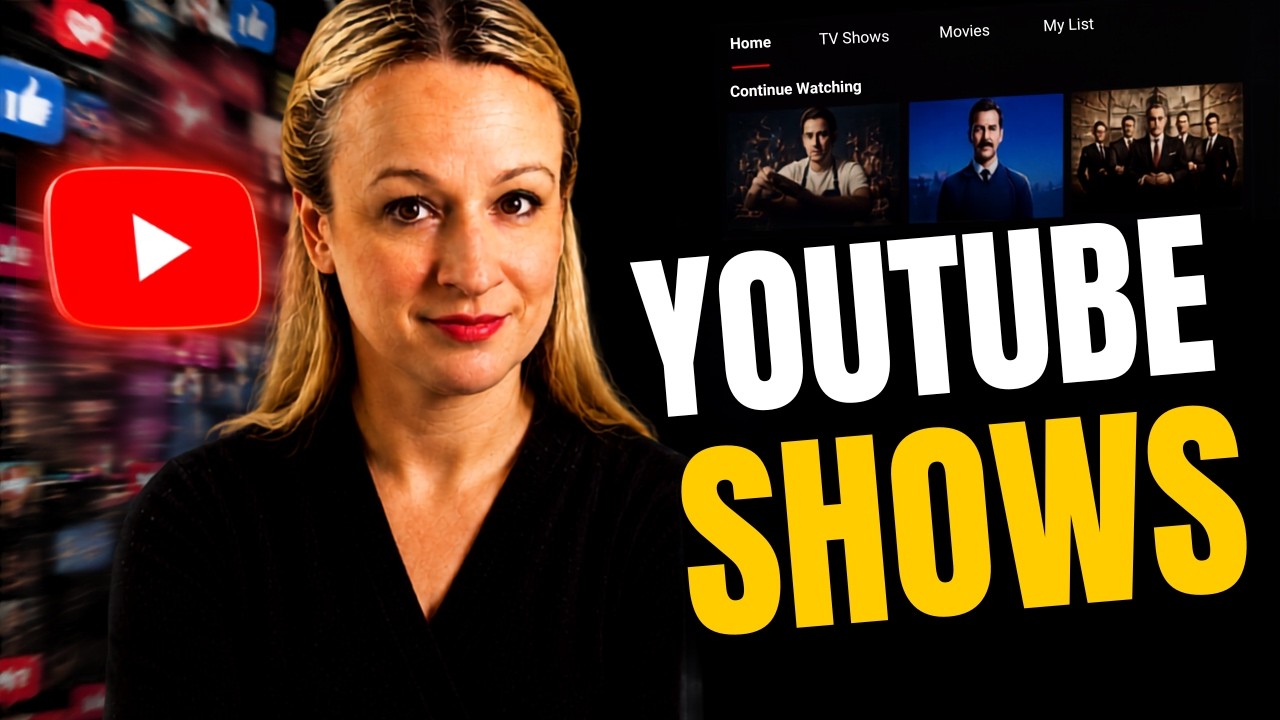
YouTube now has a dedicated shows section inside YouTube Studio. TikTok has launched a series app. Meta has rolled out an Instagram TV app alongside new series features, and Substack has its own TV app. If that lineup sounds less like social media and more like a cable bundle, that is exactly the point, and content strategist Daryn Strauss has been warning about this shift for more than a year.
From dopamine hits to emotional investment
The old content playbook was built around attention hijacking: pattern interrupts, rapid cuts, hooks engineered to stop a thumb mid-scroll. That model made sense when platforms were pure feeds, rewarding whoever grabbed the next click. The platforms have stopped optimizing for clicks, views, and subscribers. They are now optimizing for session time, return viewers, and binge behavior. The question is no longer whether someone clicked, but whether they watched another video and came back the following week.
Strauss draws a sharp line between two forces driving that change. Dopamine scrolling is powered by novelty and unpredictability, producing short bursts of engagement where the viewer asks, ‘What else is next?’ Emotional investment is powered by meaning and tension that builds over time, producing sustained engagement where the viewer asks, ‘What happens next?’ The distinction matters practically: dopamine may win a click, but emotional investment creates return viewers. He points to The Bear, Ted Lasso, and Severance as the clearest examples. Audiences are not watching those shows because they are being stimulated every five seconds. They are watching because they care what happens to the characters.
That mechanism has academic backing. Strauss cites narrative transportation theory, which holds that when people become immersed in a story, their attention narrows, emotional engagement rises, memory retention improves, and future behavior changes. Deloitte’s researchers have given the broader trend its own label: the feeling economy. As artificial intelligence absorbs more of the informational and analytical workload, human feeling becomes the premium skill. On a platform level, that means viewers are no longer returning to a creator for data they could pull from an AI tool. They are returning for the relationship, the personality, the perspective, or the quest the creator is on.
The binge ladder and where most channels fall short
Strauss structures his framework around what he calls the binge ladder, a four-level model for turning a channel into a show that compounds over time.
Level one is the signal: within the first minute or two, a viewer should know who the creator is, why they should care, and what the show is about. Level two is the show itself: the last three videos are no longer random uploads but episodes in a season, connected by an unresolved question the creator is on a quest to answer across multiple installments. Level three is navigation: end cards, playlists, and clear calls to action that give viewers an actual path to keep watching, because a channel with dozens of disconnected videos and no signposting is, as Strauss puts it bluntly, ‘super overwhelming.’ Level four is scale: turning the format into repeatable, monetizable intellectual property, the point where creators stop being influencers and start being showrunners.
Google’s own 7-11-4 rule, which Strauss references directly, quantifies why the ladder matters: it takes seven hours of content, eleven touch points, and presence on four platforms before someone is typically ready to buy. A single viral video is one touch point. A bingeable signature series, by design, stacks those hours and touch points inside a single content world.
Strauss offers a concrete starting exercise: pull the top five performing videos on any channel and look for a common thread. That thread, whatever tension or question ties them together, is the seed of a first series.
A season of YouTube Studio show labels
The new shows tab sitting inside YouTube Studio, quietly added while most creators were still optimizing thumbnails for the old feed algorithm.
Daryn Strauss has spent fifteen years inside media companies, agencies, and producing upfronts and newsfronts. The shift he is describing now, he said, is ‘the biggest shift in marketing and entertainment that I have ever seen.’ The shows tab in YouTube Studio is not a beta feature to ignore. It is the platform spelling out, in its own interface, exactly which behavior it intends to reward next.