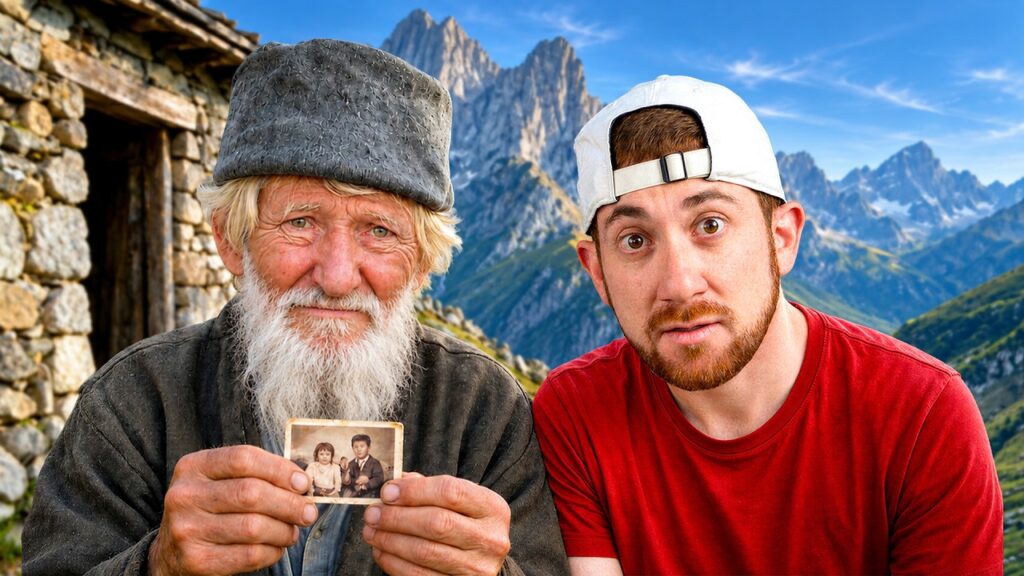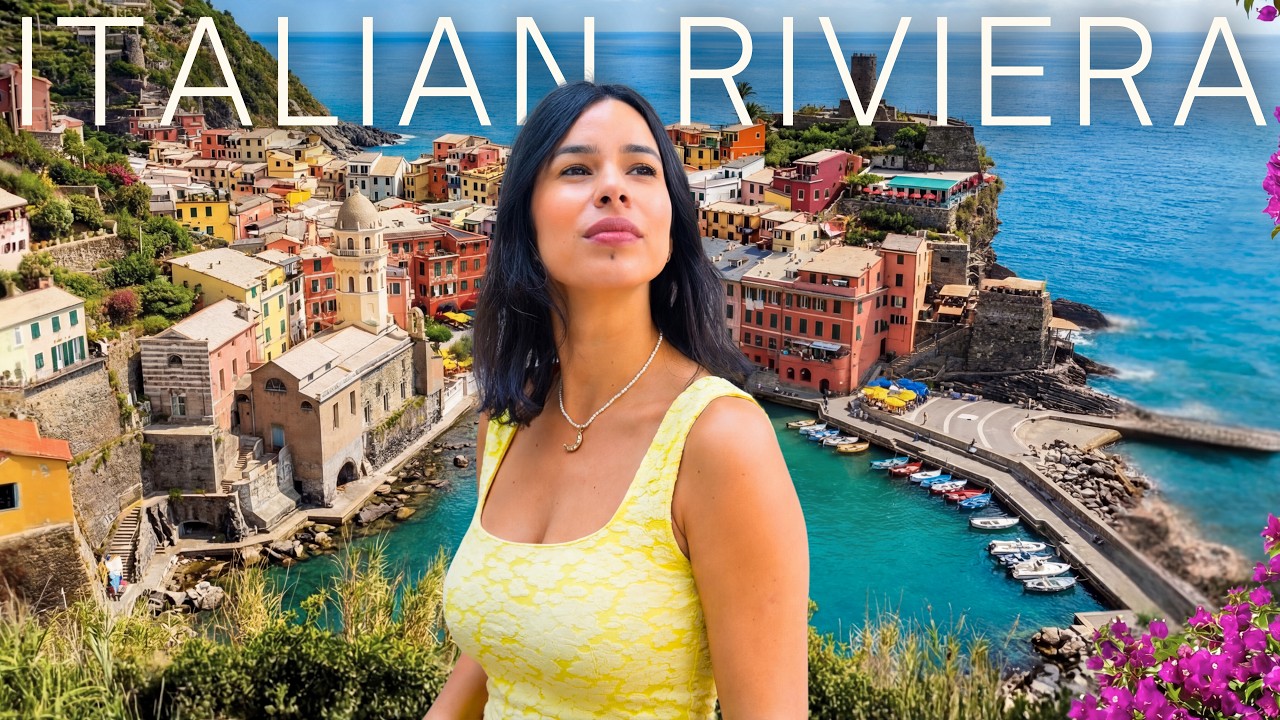
Bartolomeo Lèbari stands on a high terrace above the village of Vernazza, surrounded by vines he and his wife replanted by hand more than 25 years ago, on a hillside that had gone back to pine forest. The Italian Riviera is famous for its views, but the story of how people hold this land together, against the steepness, the sea wind, and the indifference of modern economics, is the one that lingers longest. Liguria, the narrow crescent of northwest Italy wedged between the Mediterranean and the Alps, is the region behind the postcard, and travel journalist Malini Angelica spent time inside it, moving from clifftop vineyards to waterfront gin gardens to a marble mortar in a sunlit coastal kitchen.
A forest turned back into a vineyard
Bartolomeo and his wife left their academic careers in Pisa and returned to Vernazza to do something almost nobody else was doing: bring back the vines. The land they inherited had been abandoned so thoroughly it had become a pine forest. They replanted everything. The style of farming they practice is called viticoltura eroica, heroic viticulture, because the vineyards cling to terraces so steep that almost every task must be done by hand. When people from Milan ask Bartolomeo how he survives winters on the coast, he answers without pausing: sunshine, a nice view, dolphins, beautiful colors. ‘How can you survive in a big town,’ he told Malini, ‘in front of you, you have another big building.’
The wine he is proudest of is the Sciacchetrà, the legendary sweet wine of the Cinque Terre made from the best grapes of the harvest, pressed in November and dried until very dry before pressing again. The pope, the queens: Bartolomeo listed the admirers casually, as though it was simply understood. A small terrace beside his winery serves as an informal tasting room where passing travelers can sit with a glass and look out over the vineyards they just learned to see differently.
Kilometer zero, from harbor to hilltop
The five cliff-hanging villages of the Cinque Terre each carry a fortress originally built against Saracen raids. Corniglia, the only one of the five with no direct sea access, sits above a steep staircase leading down to a small harbor still used daily by fishing families. Just outside town, the Galleti family runs what is called an ittiturismo, the coastal equivalent of an agriturismo, serving meals sourced entirely from the sea in a dining room decorated with materials gathered from the surrounding landscape. The pasta that day was a local corzetti shape, paired with chestnut fish and a buttery sauce made with local tomatoes, a combination Malini had never encountered before. The view from the table took in the rooftops of Corniglia below and then the unbroken blue of the Mediterranean.
Further along the coast, Portofino, a fishing village transformed by British aristocrats in the mid-19th century into a playground for the wealthy, is finding a quieter kind of reinvention. Chris Edgar and his childhood friends Ruggero and Alessandro, both Portofino natives, founded Portofino Dry Gin four years ago, built around the botanical garden of a private estate on the hill above the harbor. Juniper berries, sage, rosemary, and tiny lemons grow in a microclimate sheltered from the sea that concentrates essential oils the way almost nowhere else can. Brand ambassador Paulo pulled fresh basil on the way up the hill and squeezed a lemon into the glass. ‘This is how you make a true kilometer zero drink,’ he said.
The bread that fed the port
Genoa, Liguria’s capital and a republic for nearly seven centuries, still carries its mercantile history in its bones. Food researcher and cookbook author Enrica led Malini through the Caruggi, the medieval alley network of the old city, to institutions baking recipes that have not changed in centuries. Focaccia here is brushed with an olive oil and salt-water brine before baking, then dimpled hard with the fingers. You eat it upside down so the saltiest surface hits the tongue first. It was a poor man’s breakfast, Enrica explained, eaten by port workers alongside a glass of white wine first thing in the morning.
Farinata, a chickpea-flour pancake baked in copper pans inside wood-burning ovens, comes out of the same tradition. The name comes from fiamma, flame, because passersby could see the fire from the street. Crispy outside, soft inside, it contains nothing but chickpea flour, water, and salt. People wait near noon, Enrica said, because that is when the baker pulls it from the fire.
In a family home in Bogliasco, chef Bernardo Manzitti gave a pesto lesson using a marble mortar so heavy it required both hands just to lift. Rock salt and garlic go in first, then pine nuts, then the basil leaves from hydroponic greenhouses above the city, then Ligurian olive oil made from the local Taggiasca variety, then 24-month aged Parmigiano. ‘Pesto for us is a serious matter,’ Bernardo said, without a trace of irony. ‘We invented the pesto and we are very proud of it.’ The finished trofie pasta was served at a long table with Bernardo’s wife, daughter, brother, Marella, and her parents, in the way that lunch in Liguria apparently still happens.
The marble mortar, mid-lesson
The mortar sat in the center of the outdoor table after lunch, still faintly green at the bowl, the pestle laid across it.
Liguria earns its admiration quietly. The cliffs make the farming hard, the alleys keep the old city compressed and dark, and the villages that look so effortless from the sea are held in place by the same stubborn resourcefulness that produced farinata, heroic viticulture, and painted-brick facades that fooled everyone for centuries.