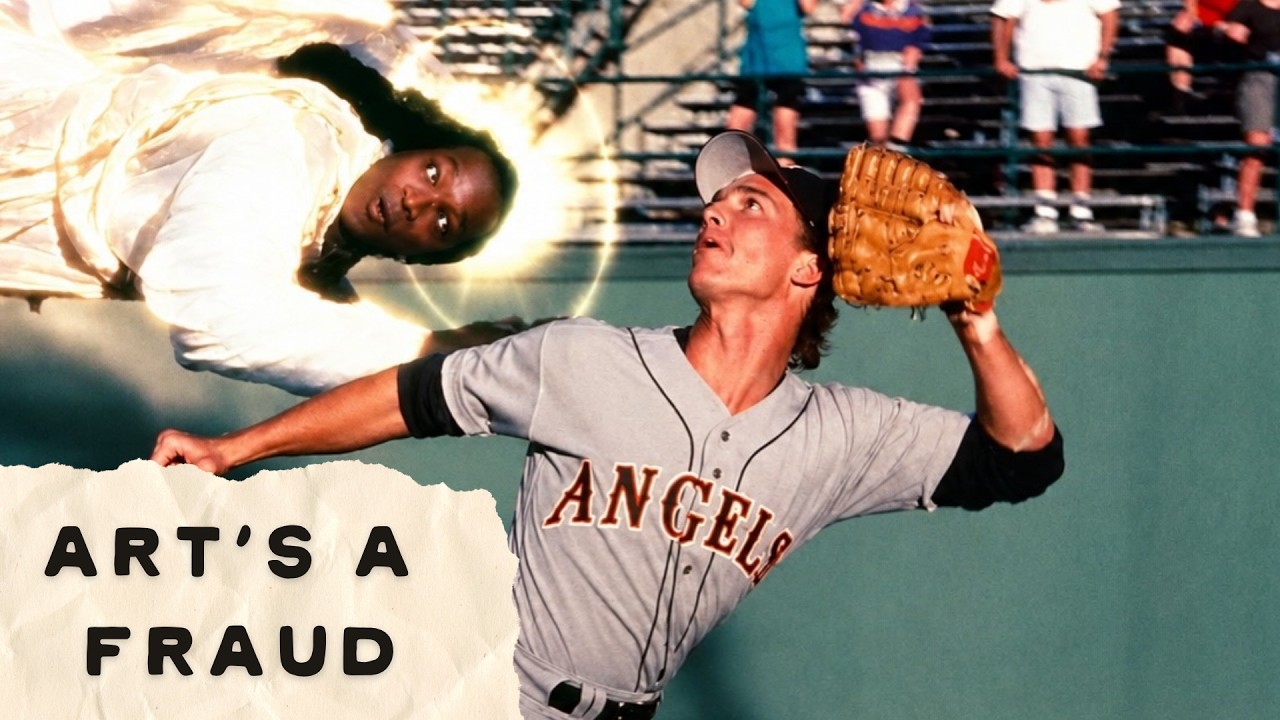
In Austin on the last Friday of October, the porch pumpkins are starting to slump, the Longhorns have a night game on the horizon, and Matthew McConaughey wants to talk about fraud. Not the legal kind. The kind that has kept him employed for more than thirty years. With Halloween one day out and every kid in town mid-decision about who they will be on Saturday night, McConaughey sat down to make a confession that doubles as the most honest defense of the actor’s craft he has ever put into words.
The confession that took thirty years to say out loud
McConaughey opens with a flat declaration: he is a fraud and a thief, and so is every actor you have ever loved and every singer who has ever made you cry on a Tuesday. The job, he says, is a magic trick, and the trick requires stolen goods. He lifts from life the way a collector lifts from a museum, specifically and without apology. The way a stranger in Marfa leans against his truck. The way a buddy’s wife laughs half a second before the joke lands. The way a man holds a coffee cup the morning after he has been told bad news. None of it invented, all of it taken.
The work that precedes the theft is immense: hundreds of pages of notes, psychology, history, the character’s walk, the character’s why. But all of that preparation has a single destination, which is to get past every intellectual reason for why the character does what he does and arrive at something simpler. ‘That’s who I am,’ McConaughey says. Not playing the part. Being the part. The fraud only works when the actor fools himself first. As he puts it, he is the first audience, and if he does not buy it, the viewer will see the twitching, the stuttering, the visible effort of someone wondering whether they can pull it off. A great fraud, he says, shows none of that. You do not see the performance. You do not see the choices. You do not see the work. Because if you can see the work, the con has already failed.
The part nobody tells you about wearing someone else
Here is where the confession turns into something larger. Every character McConaughey ever became, he found inside himself rather than borrowing from outside. The lawyer, the cowboy, the con, the dying man. Somewhere in him was already a door to each of those people, and the work was simply finding it. Which means every time he fooled an audience into believing he was somebody else, he walked off set knowing a little more about who he actually is.
He reaches for a line credited to Bob Dylan, noting that whether Dylan actually said it matters less than the fact that he lived it: ‘Life’s not about finding yourself, it’s about creating yourself.’ Make-believe, McConaughey argues, is belief with a costume on. You pick the character, you draw the map, then you commit so hard that the map disappears.
Which brings him to Halloween itself, and to the quiet guy from accounting who shows up as a pirate and is suddenly the loudest man at the party. He did not borrow that loudness. It was already in him, waiting for one night of collective permission to open the door.
The porch in Austin, just before the mask goes on
The pumpkins on the porch in Austin, slumping slightly in the October heat, are already a day past their best.
McConaughey’s send-off for the weekend is practical: pick a character you have been genuinely curious about being, steal the walk, the laugh, the nerve, then commit hard enough to forget you chose it at all. And Sunday morning, when the mask comes off, pay attention to what part of the previous night’s character is still on your face.
 Wake up to Only Happy News!