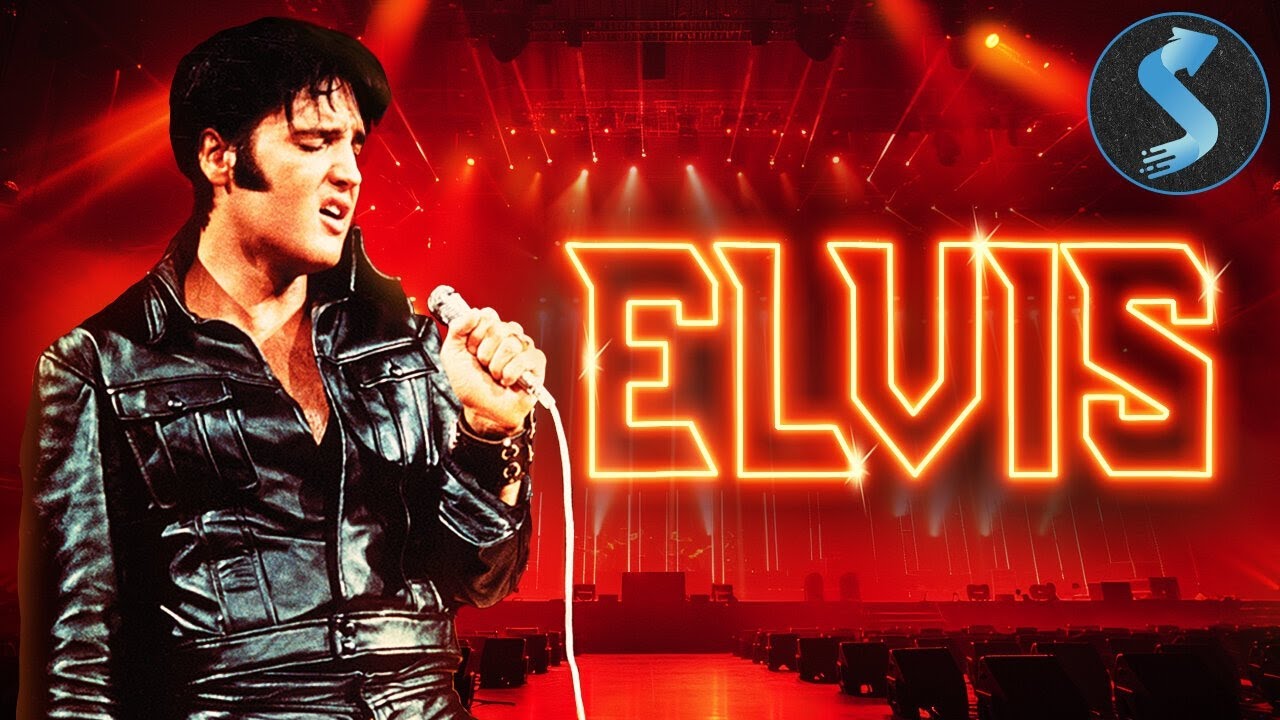
In 1956, a journalist sat across from Bill Haley and asked what it felt like to be king of the world. Haley’s answer landed like a confession: ‘We’re finished. There’s a young good-looking kid out of the South they call the hillbilly cat, and he’s good-looking and young and all the things I’m not. He’s going to take over.’ Haley knew what was coming before most of America did. What followed was the rise of a performer so singular that the people closest to him still struggle to place him inside any category that existed before he arrived.
A sound nobody had a name for
Elvis Presley showed up wearing a pink shirt, black trousers with a white stripe down the side, and hair combed into long sideburns at a time when every other performer on a country stage stood still at the microphone and delivered their number. He did not stand still. Guitarist Scotty Moore recalled that Elvis did not even fully realize he was moving at first. After an early show, Moore told him the kids were screaming because he was dancing. Elvis’s response, as Moore remembered it: ‘Oh, am I?’ He filed that information away and simply did more of it.
The sound coming out of him was equally unclassifiable. Country audiences did not think he sounded country. Pop audiences did not think he sounded pop. The shock for many listeners was hearing a voice soaked in Black blues and R&B traditions and then looking up to find a white kid from the South behind it. There was no existing radio bin to drop him into, no precedent for the peg pants, the striped trouser leg, or the raw physical energy he dragged into every performance.
Scotty Moore’s guitar was the other half of the equation. Moore was picking up phrases that had been moving slowly through the blues tradition and speeding them up, stripping them down, and driving them forward with a tremolo-heavy, echo-soaked tone that made the recordings sound unlike anything else on the air. Drummer DJ Fontana was initially positioned backstage at country shows because nobody was sure how an audience would take a full drum kit. By the time they finished touring with Elvis, the whole set was out front.
From Sun Records to a national stage
The first sessions at Sun captured something raw and real, but Sam Phillips’s label had a distribution problem. Colonel Parker recognized what RCA could provide that Sun could not: international reach. Heartbreak Hotel, the first release on RCA Victor, became Elvis’s first million-seller. The echo on that recording came not from a proper echo chamber but from a microphone run down a hallway at the studio on McGavock Street, an attempt to recreate the Sun sound on a national budget.
The Jordanaires, a gospel quartet who had been working the Grand Ole Opry circuit, joined as backing vocalists around the time Elvis broke nationally. Their tight chord-built harmonies, drawn from barber shop and congregational gospel traditions, gave the recordings a kind of arranged depth that freed Elvis to move further from the microphone. One observer watching the television performances at the time remembered thinking the Jordanaires looked out of place but quickly understood the dynamic: a row of composed, clapping musicians made the man at the front look even wilder by contrast.
Hound Dog arrived as a double-sided release with Don’t Be Cruel. The two sides combined to move 11 million copies in a single year. Fontana’s drums hit like a machine gun, Moore threw in two guitar solos that no one had attempted before them, and Gordon Stoker of the Jordanaires quietly played piano on the session after the original pianist left for another engagement. Gordon Stoker put it plainly about the recording sessions: ‘I bet you didn’t know that.’
A pink shirt outside a country fairground
That pink shirt with the white-striped trousers, described by people who met him at those early country fairs, stays vivid in the accounts of everyone who was there.
Love Me Tender arrived as the counterweight: close-mic, no reverb, acoustic guitar, and backing vocals arriving only at the end. It was a production stripped to almost nothing, which turned out to be exactly the right frame for a voice that had been shaking stages and rattling pulpit condemnations across the American South. The same man who could not stand still at a microphone held the long notes clean, shaped every word with care, and, by multiple accounts, was almost certainly thinking of his mother while he recorded it. The record stands as the exact opposite of Hound Dog, and it worked just as well. That contrast, more than any single song, is the thing Bill Haley saw coming from across the room in 1956 and could not outrun.