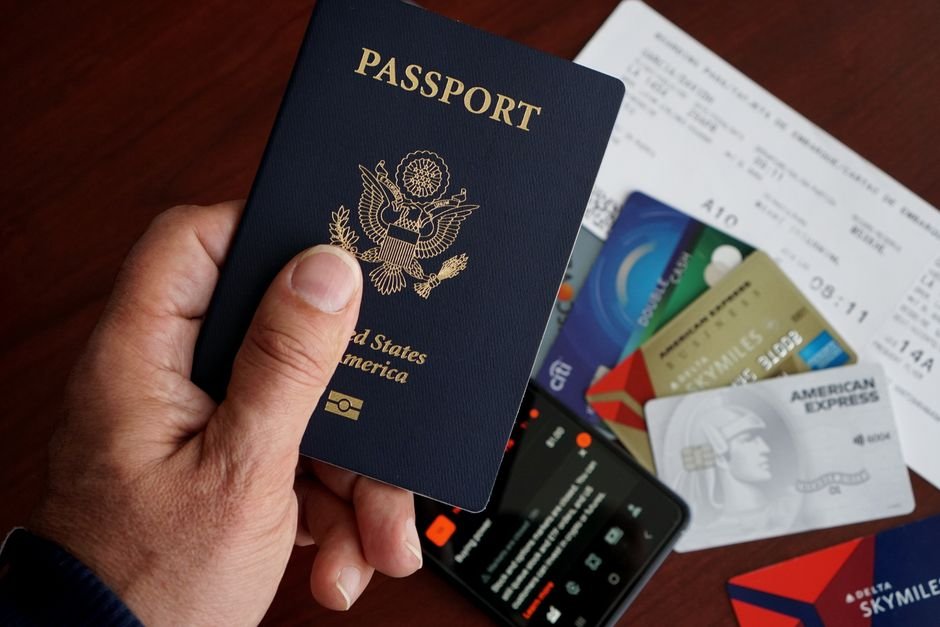
A growing number of Americans are pursuing legal residency and citizenship in other countries, according to a new report that tracks what practitioners in the field are calling ‘sovereign portfolios,’ a strategy of holding legal status in multiple nations simultaneously.
The trend is part of a broader global shift in how internationally mobile people think about where they live, work, and hold legal ties. Rather than treating citizenship as a fixed birthright, a rising share of Americans are approaching it as something that can be expanded through deliberate, legal action in foreign jurisdictions, according to the report cited by Conde Nast Traveler.
What a sovereign portfolio actually means in practice
The concept behind a sovereign portfolio is straightforward. A person acquires residency or citizenship in one or more countries beyond their home nation, giving them legal options for where to reside, pay taxes, travel, or eventually retire. For Americans, this has historically involved a narrow set of destinations, but the new report points to a widening map of interest.
The report does not name a single dominant destination but instead reflects a pattern of Americans spreading interest across multiple regions and legal pathways, from residency-by-investment programs in Europe to citizenship-by-descent programs that allow people with qualifying ancestry to claim a second passport.
Why interest in this kind of planning is rising
Practitioners working in international residency and citizenship planning have noted increased inquiry volumes from American clients in recent years. The reasons vary by individual, but the trend as a whole reflects a measurable shift in how Americans are thinking about geographic flexibility as a concrete, plannable goal rather than a vague aspiration.
Conde Nast Traveler reported that the pattern is consistent with a global trend, meaning Americans are not alone in building these portfolios. Internationally mobile individuals from multiple countries are pursuing similar strategies, suggesting that the demand is structural rather than driven solely by any single political or economic moment in the United States.
The traveler who started looking at ancestry paperwork years before acting
One detail embedded in the broader trend is the role of citizenship-by-descent pathways, which require extensive genealogical documentation and can take years to complete. For some Americans, the process of gathering birth records, naturalization papers, and foreign vital documents begins long before any formal application is submitted.
That detail sits unresolved in the broader data, a quiet paperwork trail that predates the milestone by years, with no clear marker for when the research becomes a committed plan.
The headline figure from the new report, a growing number of Americans actively seeking legal status abroad, points back to the same underlying reality: geographic flexibility has moved from a niche interest to a documented, measurable trend among American travelers and residents.
Source: Read original report
This article was reported in June 2026.
OHN Editorial Note: This article is based on publicly available sources. If you spot an error or have updated information, contact us at editorial@onlyhappynews.com. We correct mistakes promptly.