The ticket official is yelling at the tourist. Not a dramatic scene, just a miscommunication at a busy counter in Rome, the kind that plays out dozens of times a day during peak season. Italy receives millions of visitors every year, and in the most-visited corridors, that pressure shows. Island Hopper TV has spent serious time across the country, arriving by train from Switzerland, crossing in from Monaco, and working through the logistics city by city. What follows is a practical distillation of what that experience surfaces.
The cities most travelers visit and what sets them apart
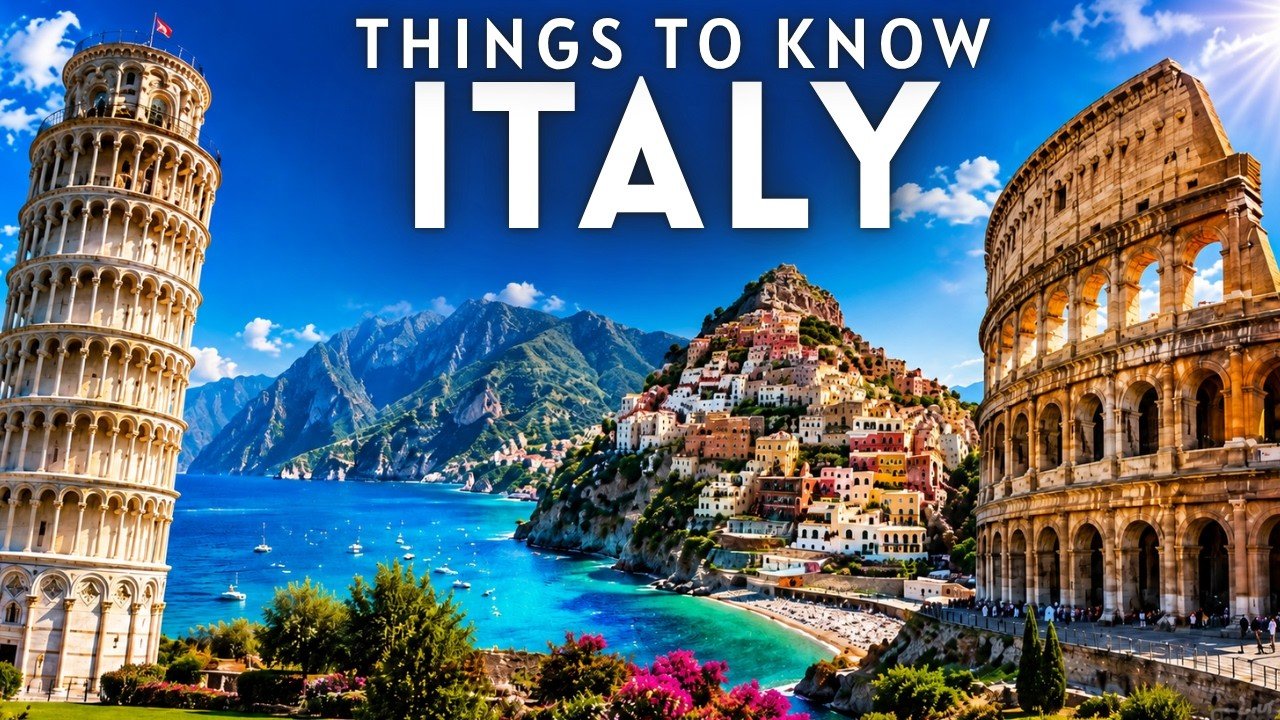
Rome anchors most itineraries. The Colosseum, Circus Maximus, the Vatican, and St. Peter’s Basilica cluster within the ancient city, and the sheer density of history means even a few days barely scratches the surface. Florence sits along the Arno River with Renaissance architecture at every turn and Tuscany within easy reach for food and countryside. Venice delivers the canals and gondolas that photographs have promised, though the romantic atmosphere competes with crowds depending on the season.
Further south, the Amalfi Coast strings cliffside villages above Mediterranean water. Cinque Terre, the five colorful fishing towns on the Ligurian coast, offers good seafood and dramatic scenery. Sicily adds volcanoes, ancient history, and beaches. Naples is the undisputed home of pizza culture and the departure point for Pompeii. Milan handles fashion and shopping in the north. Lake Como, the Italian Alps, and the Dolomite Mountains round out a northern Italy that many itineraries overlook entirely.
Trains, taxis, and how to actually move around
The high-speed rail network is one of Italy’s most practical assets for travelers. Trenitalia and Italo both operate fast routes: Rome to Florence runs in about 1.5 hours, Rome to Milan in roughly 3 hours, and Rome to Naples in around 1 hour. Slower commuter trains serve coastal towns like Cinque Terre and are still reliable, though air conditioning can be inconsistent on those routes.
Uber exists in limited form in Rome and Florence but is nowhere near as widespread as in the United States. Many cities use fixed taxi prices from airports, which removes the negotiation problem on arrival. Renting a car makes sense in Tuscany, Sicily, and along the Amalfi Coast, where rural roads and smaller villages reward independent travel. Ferries connect Sicily, Sardinia, and some Amalfi towns. Inside historic city centers, walking is almost always the best option.
On entry logistics: most travelers arrive into Rome or Milan. American, British, Canadian, and Australian passport holders currently receive 90 days within any 180-day period under the Schengen agreement. A new Electronic Travel Authorization, similar in concept to the US ESTA, is expected to come into effect as early as late 2026 for Schengen entry. The timing has shifted and may shift again, so travelers should verify current requirements before booking.
What to eat, when to go, and what to carry
Pizza Napoletana from Naples. Carbonara in Rome. Florentine steak from a butcher in Tuscany. Risotto in the north. Seafood with clams and pasta along any coast. Gelato on a hot afternoon. Italian coffee culture runs on espresso, consumed quickly while standing at the bar. Cappuccino belongs to breakfast, and ordering it after lunch marks a tourist immediately. Tipping sits at around 5 to 10 percent for a full meal, closer to 10 percent in most cases, though coffee requires nothing extra.
Timing matters considerably. August is the hottest month, July nearly as intense, and both are peak crowd season. Rome and Florence have almost no tree cover in their historic centers, the pavement radiates heat upward, and many cafes rely on open-air breezes rather than air conditioning. January and February swing to the opposite problem, too cold and grey to enjoy much outdoors. April, May, September, and October represent the practical sweet spot, warm enough, less crowded, and more manageable in every logistical respect.
Safety in the main cities comes down mostly to scam awareness rather than violent crime. Pickpocketing is the primary concern around Rome’s Termini station. Milan has seen street hustlers wrapping unsolicited bracelets around tourists’ wrists and then demanding payment. Florence has had its own version with street art scams. Violent crime is rare and gun crime rarer still. The practical precautions are standard: keep bags secured, stay aware in crowded spaces, and avoid poorly lit areas late at night near nightlife districts.
English works reliably in the tourist corridors of Rome, Florence, and Milan, covering roughly 70 to 80 percent of interactions. Naples sees less, and smaller towns see far less. Google Translate handles most gaps, and using it with taxi drivers and restaurant staff who are already fielding a constant stream of visitors is considered a courtesy rather than an inconvenience.
A moment at the ticket counter in Rome
The official behind the counter has been answering the same question for hours. The tourist in front does not know which platform or which train or which ticket class. The exchange gets louder. It resolves. The line moves. The official turns to the next person in the queue.
The Rome train station absorbs that scene and dozens like it every single day, especially in summer, especially in the tourist months, especially when the heat is already making everyone shorter on patience than they would prefer to be.
That ticket counter at Termini sits at the center of a machine that moves millions of people through one of the most visited countries on Earth. The trains leave on time, or close enough. The coffee at the bar near the platform costs less than a dollar and arrives in under a minute. Italy runs on its own logic, and for travelers who come prepared for it rather than against it, that logic turns out to be fairly accommodating.
Source: Watch original
This article was reported in June 2026.
OHN Editorial Note: This article is based on publicly available sources. If you spot an error or have updated information, contact us at editorial@onlyhappynews.com. We correct mistakes promptly.