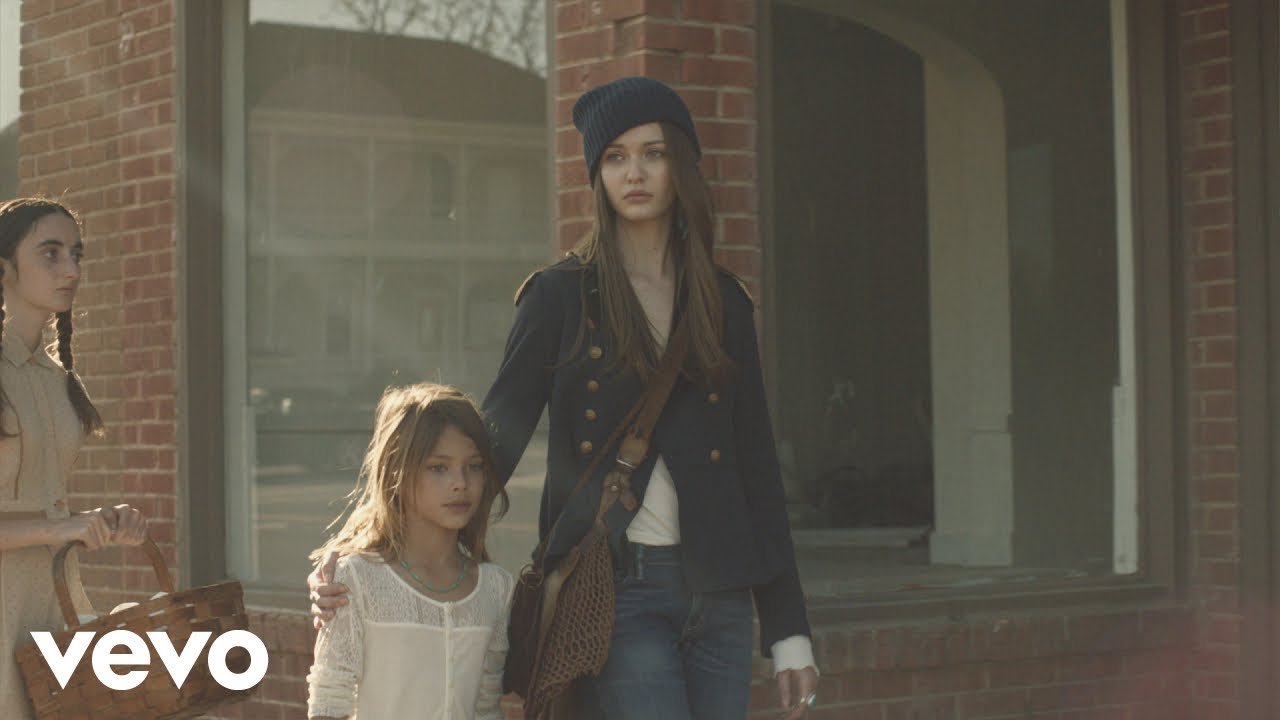
A young woman rides alone through open country, marked by tattoos that set her apart from every town she passes through, guided by nothing more certain than a beating heart. That image sits at the center of one of the most quietly affecting music stories of the decade, because the question it asks, whether you can find where you belong before the world convinces you to stop looking, belongs to nearly everyone who has ever felt out of step. Avicii‘s ‘Wake Me Up’ builds its emotional argument on exactly that premise, pairing an acoustic folk foundation with a surge of festival-floor energy to catch the listener at both registers at once.
The girl the other villagers wouldn’t look at
The story follows two sisters. The younger one carries her difference visibly, her skin covered in markings that draw stares and cold shoulders in the rural community around them. When the older sister asks why the others don’t like them, the younger one answers simply: ‘Yeah, I know.’ No explanation follows, because none is offered to them either. That small exchange, spare and unresolved, does more emotional work than any spoken monologue could. The older sister makes the decision that changes everything: ‘Get up. Pack your things.’ When the younger one asks where they are going, the answer is precise: ‘Somewhere we belong.’
What follows is a road taken at speed, the two of them moving away from the closed doors and into open landscape, wind and birds and the physical sensation of forward motion. The music underneath them shifts register at exactly that moment, the gentle guitar figure expanding into something insistent and propulsive, as though the song itself has been waiting for them to leave.
Finding yourself without knowing you were lost
The lyric at the heart of ‘Wake Me Up’ is not a triumphant declaration. It is a confession made in retrospect: ‘All this time I was finding myself, and I didn’t know I was lost.’ Avicii lets that line repeat until it settles into something close to catharsis. The hook asks to be woken up only when it is all over, when wisdom has arrived, which is both self-deprecating and oddly brave. It treats becoming yourself as something that happens quietly, below the threshold of notice, rather than in a single turning-point moment.
The verses carry that same honest weight. ‘I tried carrying the weight of the world, but I only have two hands.’ ‘I don’t have any plans.’ These are not the admissions of someone defeated. They are the admissions of someone still moving anyway.
The detail that doesn’t resolve
At the end of the road, the two sisters arrive somewhere new. The sound of footsteps on unfamiliar ground, wind, and birdsong are the only signals the source gives of what that place is. Whether it holds what they were looking for is left open.
The younger sister, the one the village turned away, walks forward into that sound. The door behind them has already thudded shut.