Before the question, there was a voice
Most of us know the shape of it: a kitchen table, a quiet room, a grandmother’s hands, a mother’s voice. The feeling of being held steady when the world outside was anything but. When the sky was falling, they did not look at the sky. They looked at the child. They looked at a terrified world and said: not in my house.
Almost everyone who has ever been frightened and then steadied by that voice carries the same truth the Black Eyed Peas discovered in 2003: she already had the answer. She always did.
This is the story of how that answer became a song.
🔺🔺🔺
For more than twenty years, they’ve been showing up
Strangers from every country, every decade, every shape of heartbreak – typing the same words into a YouTube comment section that has quietly become one of the most honest documents of modern human experience. The video has more than 1.3 billion views. Underneath them: people from 2005 and 2012 and 2019 and last week, all arriving at the same place, all needing the same thing.
That is not nostalgia. That is a twenty-year longitudinal study that nobody commissioned and nobody asked for. People keep returning to “Where Is the Love?” because the cry inside it is still true.
Black Eyed Peas Bring the World Together for ‘#WHERESTHELOVE’ and the Answer Is Still Needed
The love is here. The answer was always inside the question. And it starts, as the best answers do, with a grandmother.
🔺🔺🔺
The Black Eyed Peas released “Where Is the Love?” on June 24, 2003 – the lead single from *Elephunk* on A&M/Interscope. will.i.am wrote it. Justin Timberlake, introduced to the band by Taboo, co-wrote and sang the hook with an ache that lodged the song somewhere past the ear. It went to number one in the UK and stayed there for six weeks, becoming the best-selling UK single of 2003. The Recording Academy nominated it for Record of the Year.
The Grammy went to Coldplay’s “Clocks.” The question went to history.
Because what made the song wasn’t the arrangement or the feature or the chart position. It was the honesty of a question asked plainly, in a moment when plainness felt almost dangerous. People heard it and recognized themselves in the asking. They still do.
🔺🔺🔺
Taboo remembers the day the song’s foundation was poured
will.i.am came running. *”We’re being attacked.”* The towers were falling. The world was changing in a direction nobody had chosen.
In the aftermath, will.i.am began writing. The musical seed took root in late 2001, in the rubble of that shift. Production stalled into 2002 – Taboo would later describe the atmosphere: a lot of separatism, a lot of racism, and the question that kept surfacing, *where’s the love?* Recording didn’t finish until March 3, 2003. A year and a half of gestation, because something born in that kind of fear doesn’t resolve quickly.
Born in the shadow of 9/11. Not the smoke of it. That distinction matters. This was not a hot reaction. This was something that sat inside scared young men, grew around the question they couldn’t shake, and came out the other side as a song. The time it took is part of its weight.
They wanted to stay home. They wanted to hide. And then a grandmother said something.
🔺🔺🔺
This is the part most people don’t know. It is the whole point
When the Black Eyed Peas were shaken – when the world had just demonstrated its capacity for violence and division, when every sensible human instinct said *go quiet, stay low, wait it out* – will.i.am’s grandmother said a prayer. And then she said something that would become the spine of the song, the foundation of the album, and the operating principle of everything that followed:
*”My grandma said a prayer, and said that we shouldn’t stay at home afraid when you’re being called on to do as much healing as you can with the gift that was given to us.”*
Don’t hide. Go heal.
That is the whole answer. A grandmother found it in her faith and gave it to a scared young man, and he carried it into a recording studio and wrote it into twenty-three years of history.
The song’s opening line is a child’s question to its mother: *”What’s wrong with the world?”* And the real-life answer – the one that happened in a real room, with a real woman, in the days when the world was still burning – came from a grandmother’s prayer. The song cried to Mama. A grandmother answered.
That is not a metaphor. That is the documented fact of how this song came to exist.
🔺🔺🔺
The song was supposed to be of its moment. Moments pass. This one didn’t
In September 2016, will.i.am looked at the world – Paris, Orlando, Syria, the ongoing American reckoning with racial injustice – and saw 2003 again. He gathered an all-star roster of artists and re-released the song under the hashtag #WHERESTHELOVE. He was direct: people had “no empathy, no sympathy anymore… amnesia.”
Thirteen years had passed. The question hadn’t been answered.
The comment section is the evidence. More than two decades of real people from every year since 2003, returning to ask. Not because the song is their favorite song. Because the cry inside it is still true. A digital wailing wall, strangers arriving every day to type their version of the same question into the dark.
That is twenty-three years of people who never stopped needing the answer.
🔺🔺🔺
Most people know the chorus. Fewer sit with the third verse
In 2003, the Black Eyed Peas embedded something in a pop-rap song that the rest of the world would spend two more decades arguing about. The verse names it plainly: wrong information as the dominant feed, negative images as the chief currency, young minds – as the song put it – *”infecting the young minds faster than bacteria.”* Not a named villain. Not a corporation. A condition. A shared weather that nobody designed but everyone is soaked in: the machinery that runs on anxiety because anxiety keeps eyes on screens.
The song named the disease. And then, one line later, it told you the cure:
As the lyric says: *”If you never know truth then you never know love.”*
That is not a sentiment. That is a law. Untrue good news cannot carry real love, because the song already proved it: truth and love are the same substance. The song fused them in 2003 and asked why the world had let them come apart.
Twenty-three years later, the answer to that exact verse is simply this: flood the same channel with the true story. The good that is actually happening, uncovered and given freely to people who need it. Because the love lives where the truth lives, and both have been buried – the song knew that too – while the machinery ran.
🔺🔺🔺
will.i.am didn’t just write the question. He chose to answer it
The i.am.angel foundation – launched in 2009, built on the proceeds from the song and everything the song made possible – carries the mission: “Transforming lives through education, inspiration and opportunity.” STEAM programs. i.am College Track. Scholarships for students who needed someone to decide they were worth the investment. Real classrooms. Real futures. Built from the foundation of a grandmother’s prayer.
The grandmother chose: don’t hide, go heal.
will.i.am chose: write the song.
He chose again: build the foundation.
The love is not a feeling that floats down. It is a series of deliberate steps made by people who could have stayed home afraid and chose to go do something instead. The receiver became the giver – and then became the giver again. The grandmother’s prayer became a song. The song became a charity. The charity became real students building real lives.
That is the love in working form. If you want to put something in motion: i.am.angel foundation
🔺🔺🔺
The song does not end in despair. That is the part most people miss, because the cry is so loud
Listen to where it goes. As the lyric carries it: *”Gotta keep my faith alive ’til love is found”* – not resignation, but a commitment. And the outro turns outward toward the plain fact that we share one world, that’s all we’ve got, and it is still worth fighting for.
The song extends a hand at the very end. It reaches. The question on the pavement was never a door closing; it was a door opening onto the only answer that has ever mattered. The love is here. It was buried, not absent. Hidden, not gone. And un-hiding it – piece by piece, story by story, in the same channels where the fear runs – is exactly what the grandmother was calling for when she said: *go do as much healing as you can.*
Twenty-three years later, the answer is being built
The love is real. A grandmother knew it. A scared young man wrote it down. More than a billion people have heard it. And the answer – the real one, the one the song was always pointing toward – is in every person who decided to heal instead of hide.
And here is the thing she knew that we sometimes forget: it was never meant to stop with him.
She does not plant a seed because she wants to see the tree. She plants it because she knows the world will need the shade. Every grandmother and mother who ever steadied a frightened child in a kitchen somewhere was dropping a signal into the future. She did not keep the courage. She passed it.
The only question the song leaves you holding is who you give it to next.
🔺🔺🔺 🔺🔺🔺 🔺🔺🔺
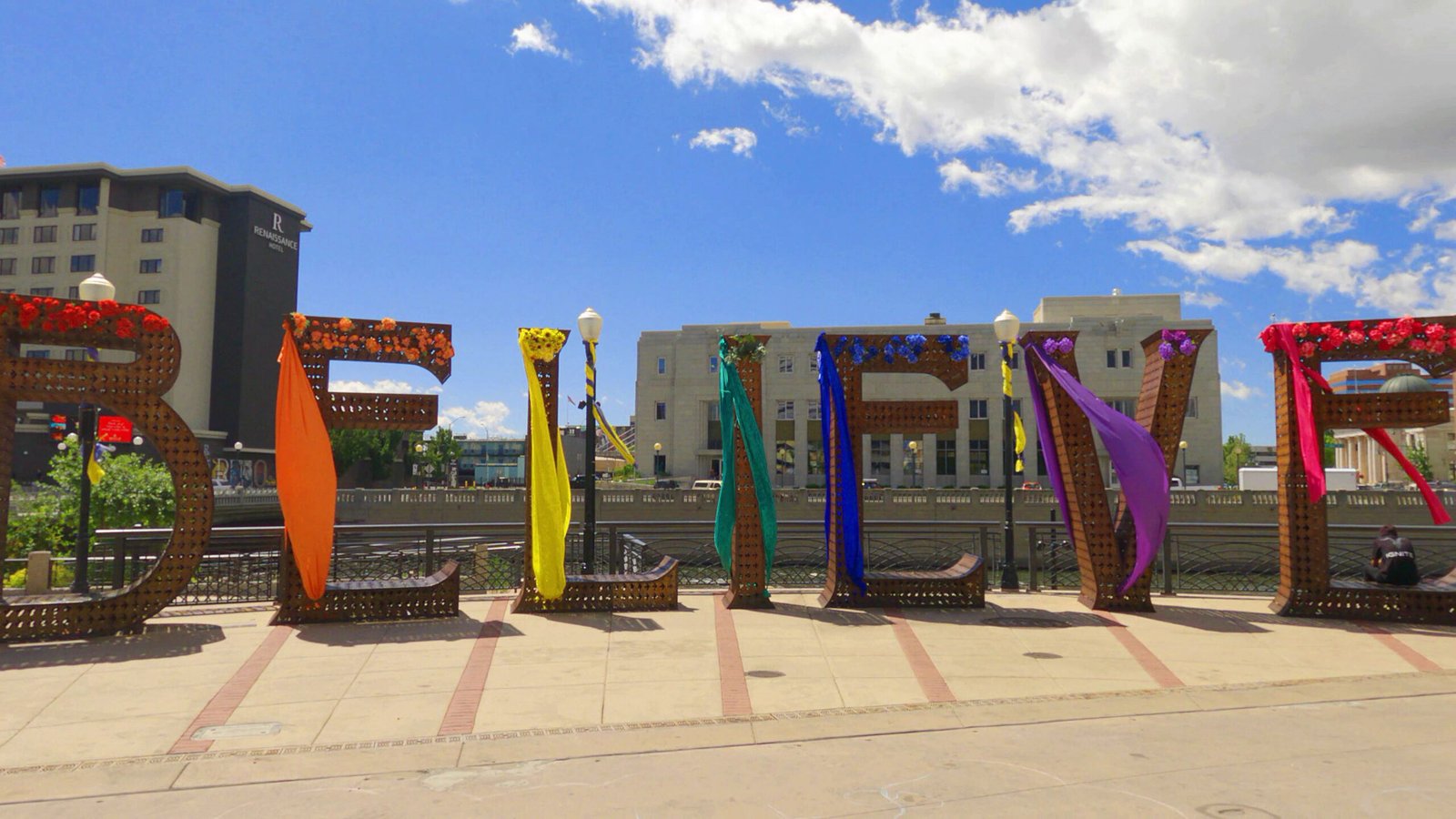
*The question lives on the pavement. The answer walks into the desert. A man named Teddy Saunders took a Dr. Seuss book to the cracked flats of the Black Rock Desert and read it aloud to strangers under a Nevada sky – and what he read is the oldest answer the cry ever needed: the bang-ups and hang-ups are part of it, your mountain is waiting, and the road is yours. Here is where the love walks next.
🔺🔺🔺 🔺🔺🔺 🔺🔺🔺